
 Acrylic Sign Holders
 Storage System
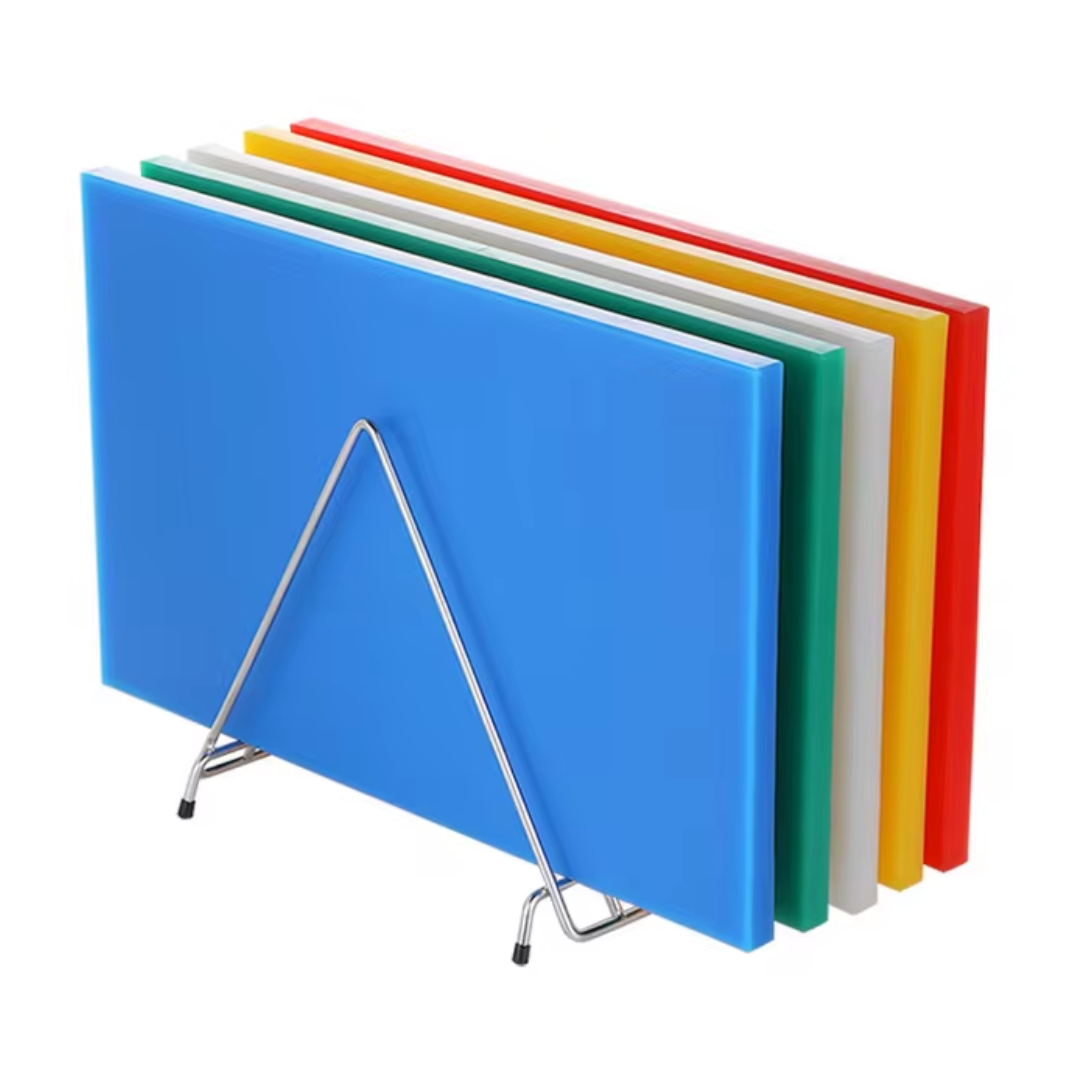 Hotel supplies & organinzer
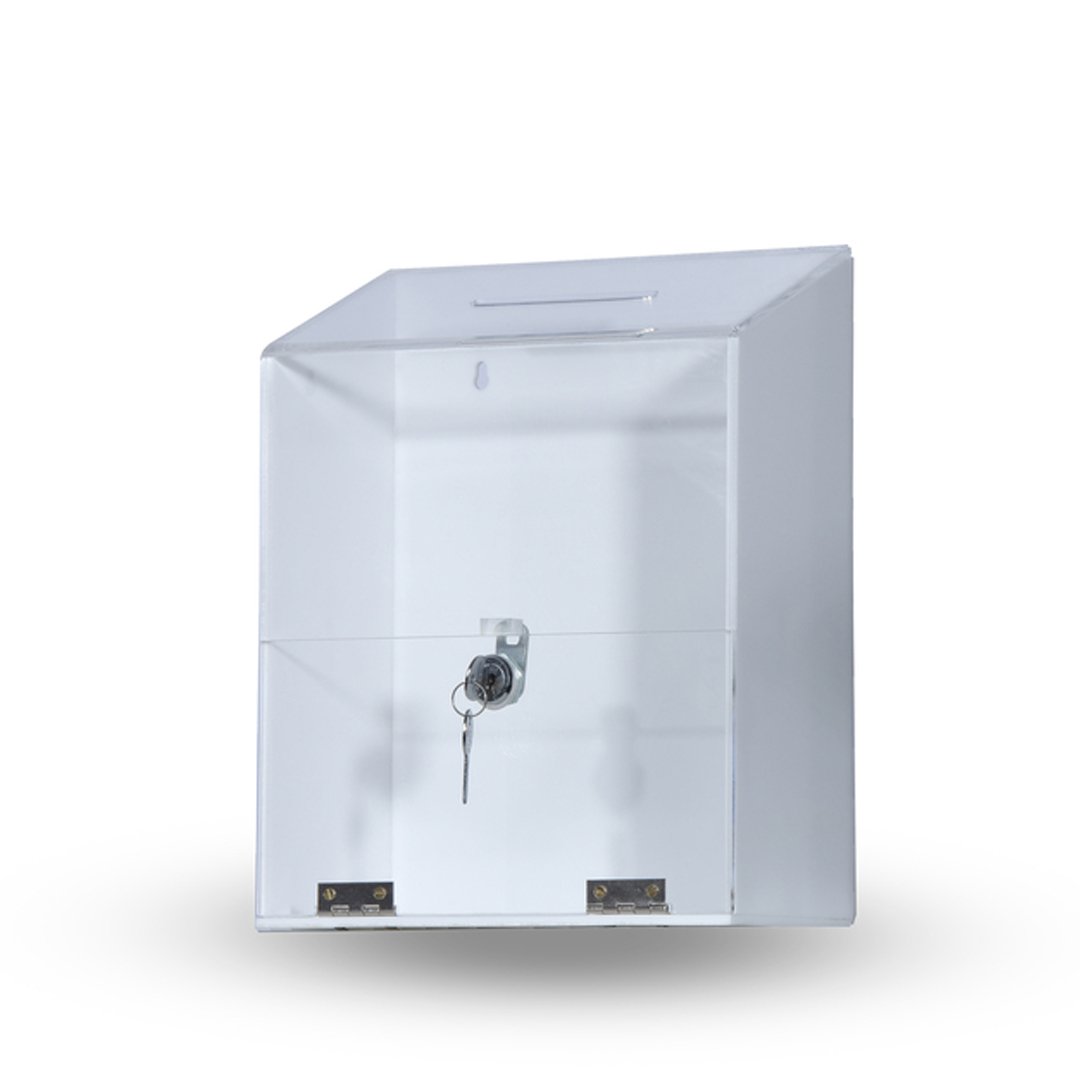 Acrylic Donation Box
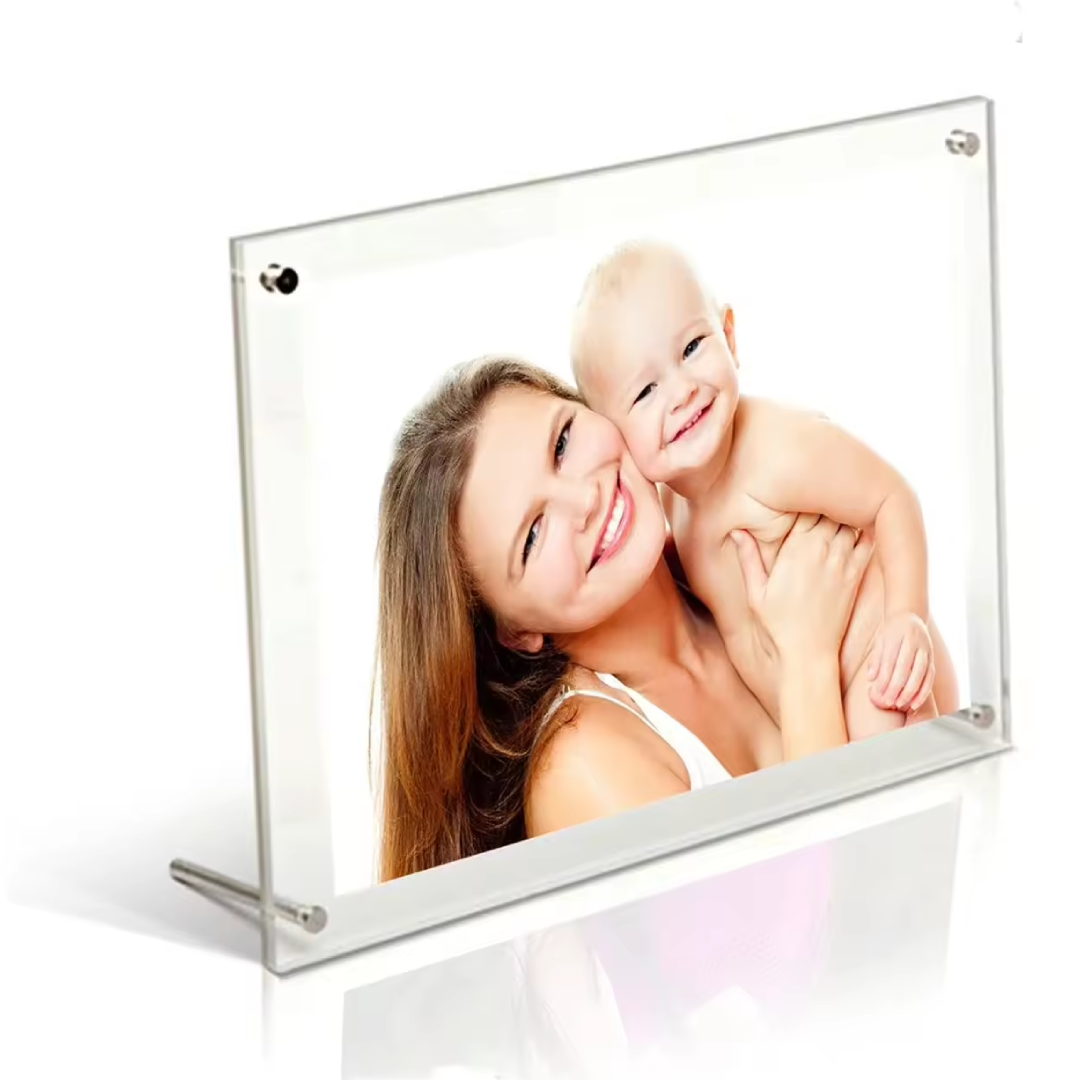 Acrylic Photo Frames
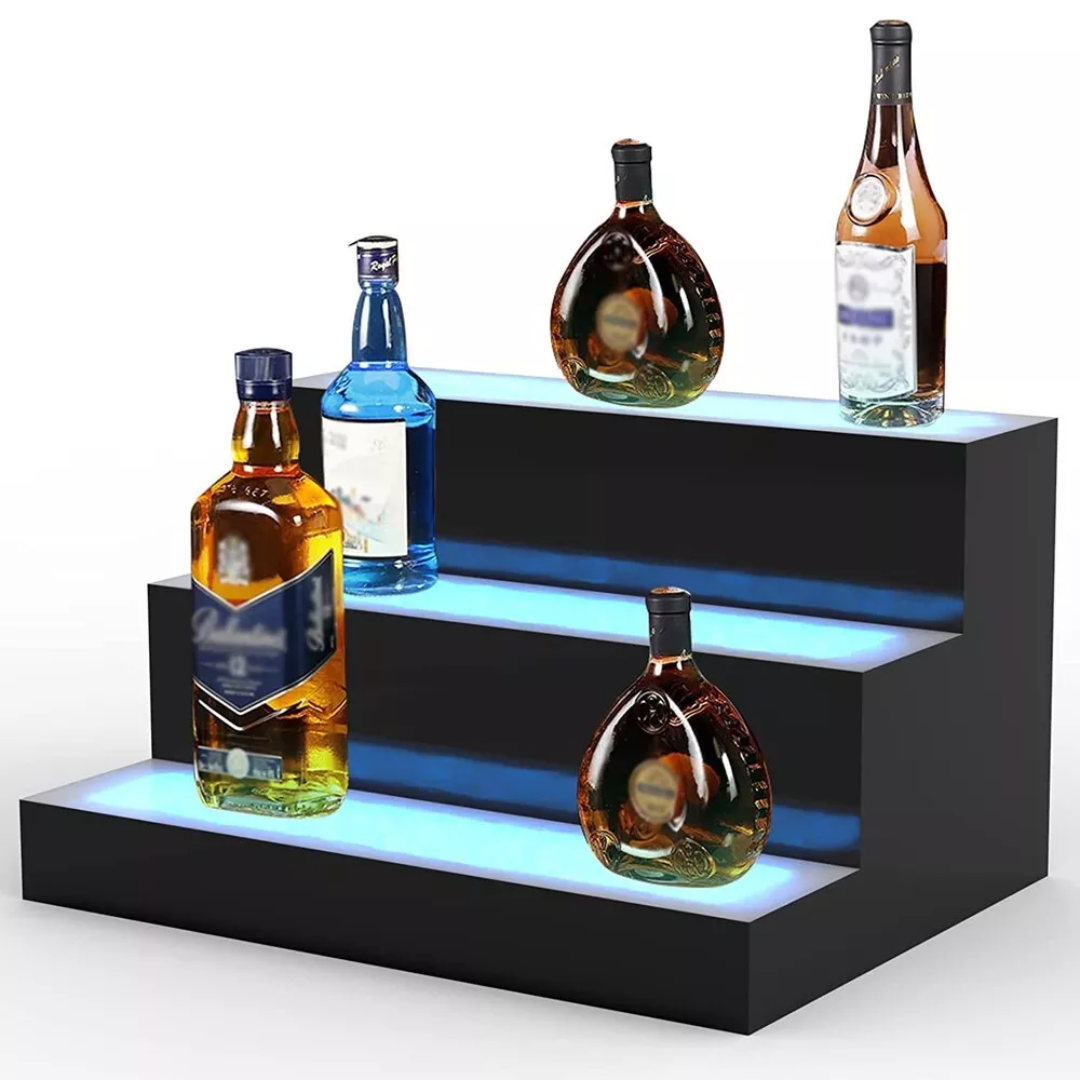 Featured Products
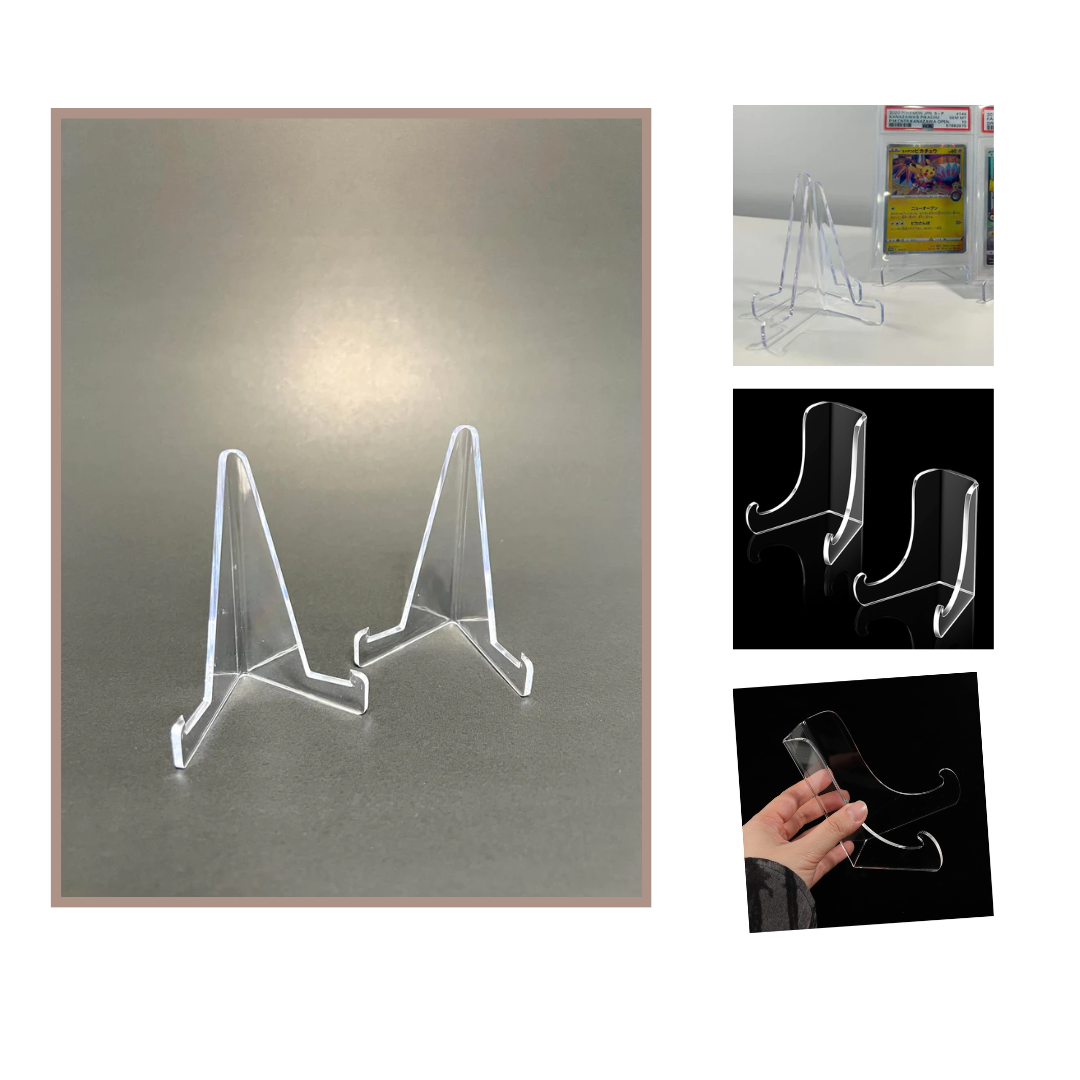 Exclusive Product
 Galleries and Museums
 Retail Displays for shops
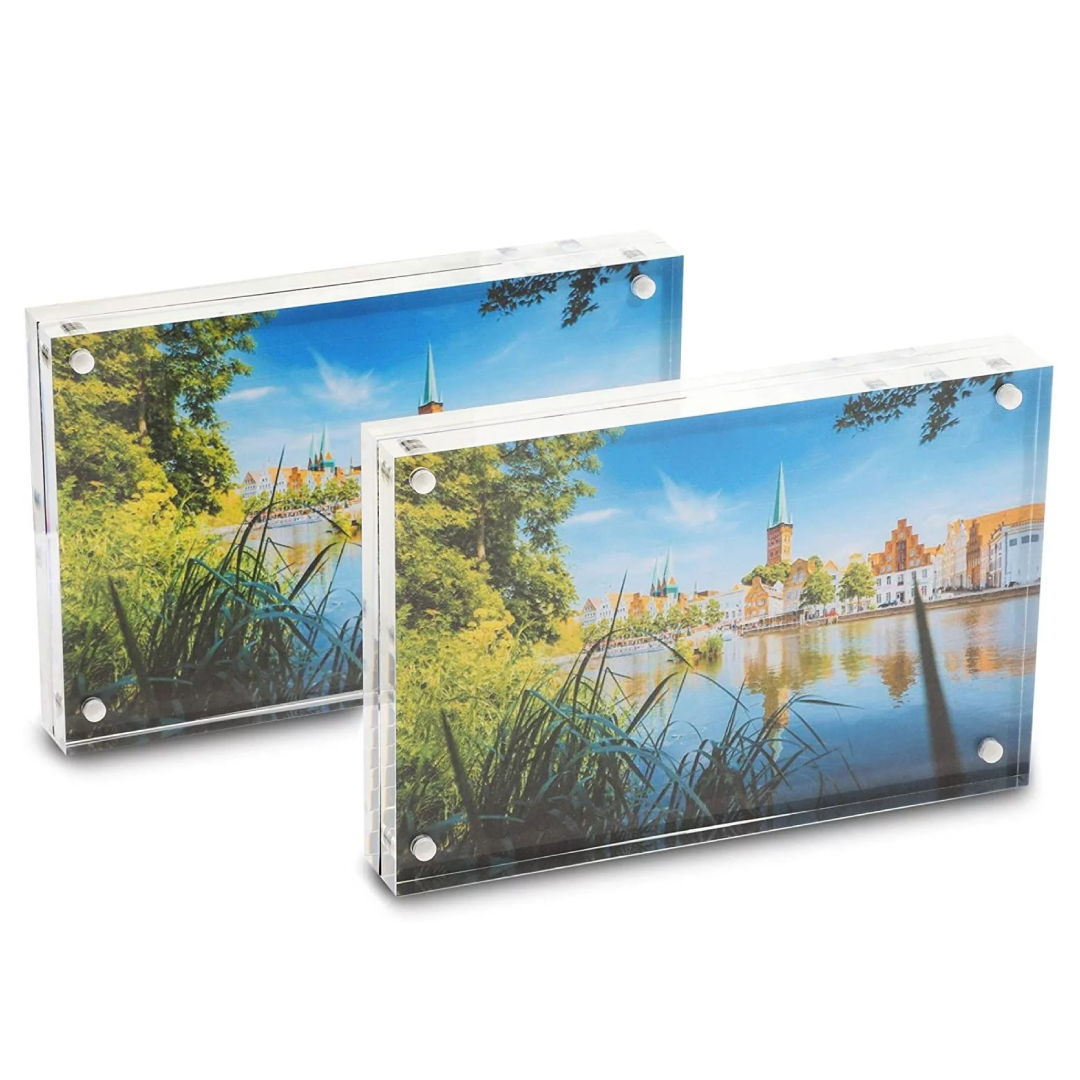 Home Interior Photo Frames
Whether you’re running a retail store, a corporate office, a restaurant, or a healthcare clinic, display frames are essential tools for communicating with your audience. But choosing between a tabletop display frame and a wall-mounted one isn’t always straightforward. Both serve important functions, and the right choice depends on your space, your content, and the experience you want to create for visitors or customers. At DisplaysKart, we offer a comprehensive range of both types, and we’re here to help you make the right decision.
What Are Tabletop Display Frames?
Tabletop display frames are freestanding units designed to sit on counters, desks, tables, or shelves. They come in a variety of orientations — portrait or landscape — and sizes, from compact A6 units to large A3 frames. They’re typically used at the point of engagement: where customers are already stopped and paying attention, such as at a reception desk, dining table, or checkout counter.
Tabletop frames are portable, flexible, and easy to update. You can move them around your space as your needs change, and swapping out the displayed content takes seconds.
What Are Wall Mount Display Frames?
Wall-mounted display frames are affixed to vertical surfaces — walls, pillars, glass partitions, or display boards. They’re typically used for communication that needs to reach people from a distance or in passing, such as directional signage, safety notices, promotional posters, or company information.
Wall mount frames create a permanent, intentional impression. They signal that the information they carry is important, ongoing, and authoritative. Once installed, they don’t require daily adjustment and become a consistent part of your environment’s visual landscape.
When to Choose Tabletop Frames
Choose a tabletop display frame when your content is intended for close reading by a specific audience at a specific moment. Restaurants should use tabletop frames for table menus, daily specials, and QR codes. Reception desks are perfect for pricing information, company brochures, or visitor registration details. Retail checkout counters benefit from tabletop frames displaying loyalty programme details or promotional offers. Conference tables work well with individual nameplate holders or agenda displays.
Tabletop frames are also the right choice when your content changes frequently — weekly menus, rotating promotions, event programmes — because swapping inserts is fast and simple.
When to Choose Wall Mount Frames
Wall-mounted display frames are the right choice when your content needs to be visible from a distance, when it needs to communicate authority or permanence, or when you have limited surface space. Office environments should use wall mounts for company values, organisational charts, and regulatory notices. Retail stores benefit from wall-mounted promotional posters and new arrival announcements. Healthcare facilities typically display licences, certifications, and health information on walls. Hotels use wall-mounted frames for room numbers, directional signs, and fire safety notices.
If your content is standard, long-lasting information that doesn’t change frequently, a wall mount frame is often the better investment.
Considerations for Mixed Environments
Many businesses benefit from using both types of display frames in a coordinated way. A well-designed retail environment might use wall-mounted A2 frames for brand storytelling and seasonal promotions, combined with tabletop A5 frames at the counter for specific product details and pricing. A corporate office might have wall-mounted frames in corridors for company communications, with tabletop frames in meeting rooms for agendas and presenter information.
Size and Orientation Guide
For tabletop frames, A6 and A5 are ideal for small counters and dining tables. A4 is the most versatile size, suitable for almost any environment. A3 works well for prominent counter displays or reception desks where you want to make a stronger visual statement.
For wall-mounted frames, A4 is perfect for notices and information sheets. A3 and A2 work well for posters and promotional content. A1 and larger are suited for high-visibility display areas like shop windows or exhibition walls.
Material and Finish
At DisplaysKart, our acrylic display frames come in both clear and frosted finishes, with options for silver or black edging. Clear acrylic with clean edges works beautifully in modern, minimalist environments. Frosted panels with coloured borders suit more vibrant or eclectic brand aesthetics.
For wall-mounted frames, consider the wall surface and the mounting method. Our wall mount frames come with pre-drilled holes and fitting hardware, making installation straightforward on most wall types.
Making Your Decision
Ask yourself three questions: Who needs to see this? When do they need to see it? How often will the content change? If the audience is close by and engaged, content changes frequently, and portability matters — choose tabletop. If the content needs to reach people from a distance, communicates permanence and authority, and won’t change often — choose wall mount.
Browse our complete range of tabletop and wall-mounted acrylic display frames at displayskart.com — and if you’re unsure which is right for your space, our team is always happy to advise.